
Most sellers think about closing costs when selling for cash in Orange Park as one vague number and then get surprised by the settlement statement. It’s not one number. It’s a list, and every item on it is knowable in advance.
Here’s the whole list, in the order it shows up. I’m not a CPA or an attorney, and a few of these have tax consequences worth asking a professional about, but you should at least know what you’re looking at.
Start with what you owe
Your mortgage payoff comes off first, and it is not your remaining balance. It’s the balance plus interest through the closing date, plus any recording or processing fee the servicer charges.
Get the payoff in writing rather than reading your statement. Two other things to check while you’re at it:
- A second mortgage or HELOC you’ve stopped thinking about. It still has to be paid and released.
- A prepayment penalty, which is uncommon on current residential loans but not extinct on older ones.
Then anything recorded against the property
This is where sellers get genuinely blindsided, because these don’t arrive in the mail every month the way a mortgage does.
- Property tax liens. Unpaid taxes outrank almost everything and get satisfied at closing.
- Code enforcement liens. These attach to the property rather than to whoever caused the violation, and many keep accruing daily until the problem is fixed and the fix is verified.
- Contractor’s liens. An unpaid contractor from a job a previous owner disputed in 2014 and forgot about.
- Judgment liens from an old lawsuit against anyone in the chain of title.
- HOA or CDD amounts. In Oakleaf that means a property owners’ association plus one of two community development districts, Double Branch or Middle Village, and the association has to produce an estoppel letter stating exactly what’s owed.
Order the estoppel early if you’re in an association. It costs money, it takes time, and a closing held two weeks waiting on one is a frustrating way to lose a rate lock.
The prorated items
Property taxes get split between you and the buyer based on the closing date, since Florida taxes are paid in arrears. You cover your share of the year up to closing.
Clay County’s total millage runs around 15.05, working out to an effective rate near 1.34% after the standard homestead exemption. You can confirm the current figures at the Clay County Tax Collector. Association dues get prorated the same way, and inside the Town of Orange Park you’ll have a town water and sewer account to close out, with JEA handling the electric.
The transaction costs themselves
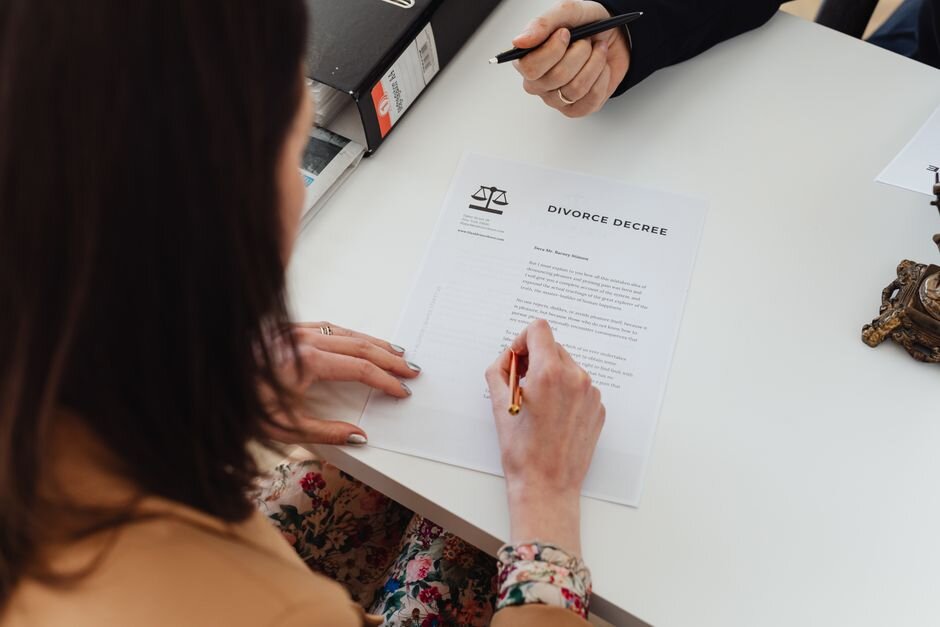
Florida charges a documentary stamp tax on the deed, calculated on the sale price, and it’s customarily a seller expense in most of the state. There’s also a recording fee for the deed itself, and title-related charges that vary depending on who pays for what in your contract.
That last part is negotiable and worth understanding. Who pays for the owner’s title policy is a contract term, not a law, and it differs by region and by deal.
The homestead item nobody warns you about
This isn’t a closing cost exactly, but it belongs in your thinking because it affects what a buyer can pay you.
If you’ve had homestead exemption on the property for years, Florida’s Save Our Homes cap has been holding your assessed value down while the real market ran ahead of it. Clay County’s preliminary taxable value came in around $20 billion for 2025, up nearly 8% in a single year, which gives you a sense of how wide that gap can get.
When the property changes hands, the exemption and the cap reset. Your buyer’s tax bill will very likely be higher than yours has been, sometimes a lot higher, and they’re qualifying on a monthly payment that includes escrow. A buyer who ran their numbers off your current tax bill is going to get a surprise in underwriting.
If you’re buying another house in Florida, portability may let you carry part of that benefit forward. It’s a specific filing with deadlines, so ask the Clay County Property Appraiser directly rather than assuming it happens automatically.
What’s different in a traditional sale
Everything above applies either way. Here’s what only shows up when you go the marketed route.
Commission on both sides, which is the big one and the one everybody counts. Repair credits negotiated after the inspection, which on a house where the town’s median build year is 1974 is rarely nothing. And the payments you keep making while it sits, since March 2026 data put Clay County’s median days on market at 52 just to get under contract.
There’s also the piece most people leave out entirely: April 2026 data showed the typical Clay County seller closing at around 94.8% of asking. That five percent came off before any of the line items above.
What’s different in a cash sale
No commission, because there’s no agent. No lender fees, because there’s no loan, which also means no appraisal and no origination charges. No repair credits, because the condition was already priced in. We cover the standard closing costs on our purchases.
The liens and payoffs still come out. Those belong to the property and no buyer makes them disappear. But the transaction costs largely do.
How to know your number before you sign anything
Three phone calls and an hour.
Get your written payoff from the servicer. Pull your property record at the Clay County Property Appraiser and see what’s recorded against the parcel. Call the association for an estoppel if you’re in one. Then subtract all of it from whatever offer you’re considering.
That figure is your actual net, and it’s the only number worth comparing between paths. I spent 11 years as a licensed agent, and the single most common mistake I watched sellers make was comparing a list price against a cash offer as though those were the same kind of number. They aren’t. One is a starting position and the other is a conclusion.
If you want a firm figure to run this against, We Buy Houses Orange Park will give you one with the reasoning attached and no expectation that you take it. If something’s recorded against your property that you didn’t know about, that’s a common situation and it’s workable.
Josiah Murdaugh grew up in Orange Park and spent 11 years as a licensed real estate agent before he started buying houses directly. He has bought more than a hundred since. About We Buy Houses Orange Park.