
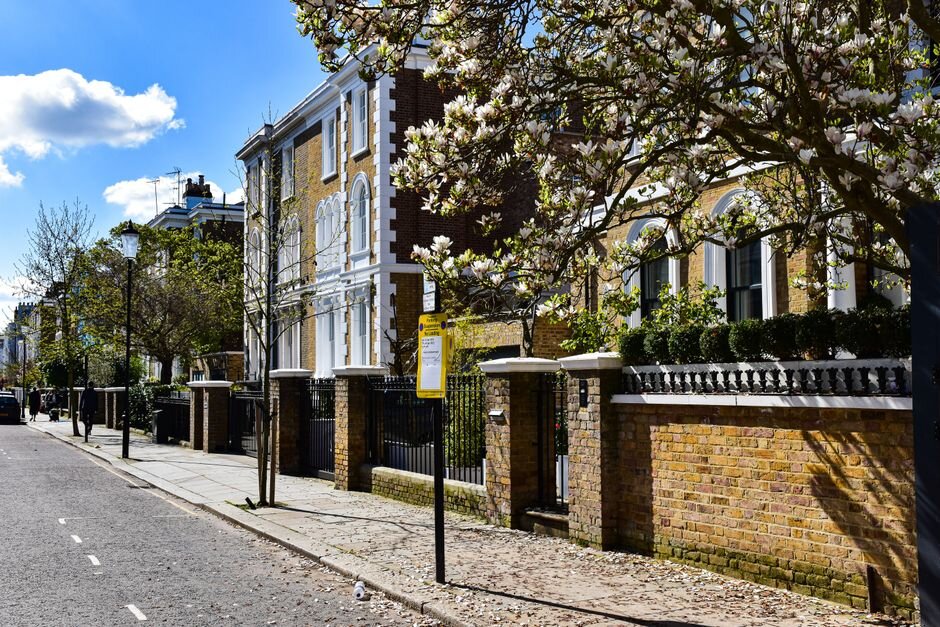
Stand at the corner of River Road and one of the older cross streets on a weekday morning and the thing you notice is how little of it looks like the rest of the county. Sidewalks that go somewhere. Trees that were planted by somebody who expected to be dead before they got big. Houses that face each other instead of facing a cul-de-sac.
This is the original town layout, and if you want to sell a house for cash in Orange Park and yours is in here, you’re selling something genuinely different from a subdivision house four miles west.
Different in ways that help you, and a few that don’t.
What people mean by Old Orange Park
River Road, Kingsley Avenue, Plainfield Avenue, the streets running toward the river and around Town Hall. It’s the original grid, not a plat somebody drew in 1988 and named after whatever tree they cut down to build it.
The important practical fact is that these houses really are inside the incorporated Town of Orange Park. That’s not true of most of the market. Bellair, Lakeside, Oakleaf, all of that is unincorporated Clay County. In here, the town handles your permits, your code enforcement, your water and sewer, and your vacant property paperwork. JEA still does your power.
The rental question nobody expects
Here’s a number worth sitting with. Countywide, Clay runs about 75.9% owner-occupied. Inside the Orange Park town limits it’s 55.6%.
That’s a big gap, and it means the town core has considerably more rental property in it than people assume from driving through. Which matters to you two ways.
If you’re selling a house that’s been a rental, you’re not unusual here and there’s an established buyer pool of investors who already understand this pocket. If you’re selling an owner-occupied home, the tired rental three doors down affects what a buyer thinks about the street whether that’s fair or not.
What the houses actually carry
The town’s median build year is 1974, and plenty of the original grid is older than that.
So you get the pattern: cast iron drain lines that have been rusting from the inside since before I was born, galvanized supply lines you can’t get much pressure through, electrical panels from manufacturers insurers won’t write on anymore. Somewhere in a narrow window of the late sixties and early seventies, aluminum branch wiring showed up, and it’s still here.
None of that is unusual and none of it surprises anybody who buys houses for a living. What it does mean is that a buyer’s inspector will produce a long report, and a long report on an old house tends to become a repair credit conversation whether the items are serious or not.
The permit problem specific to in here
Because your records live with the town rather than the county, people go looking in the wrong place and come back convinced they’re clean.
Call Town Hall, not Clay County, and ask two things: is there anything open on the parcel, and does what’s on record match what’s actually standing there. Enclosed porches and converted garages are everywhere in this grid, and a fair share of them predate anybody caring about permits.
It matters because a buyer’s appraiser compares your listing to the county record. When the record says three bedrooms and you’re marketing four, the appraisal comes back reflecting three, and somebody has to cover the difference. That somebody is usually you, three weeks into a contract.
What buyers genuinely want here
Worth being clear about, because it’s your actual sales pitch and most sellers undersell it.
Lot size, first. These parcels are bigger than anything platted after 2000. Real trees, not six-foot sticks zip-tied to a stake. Walkability toward the river and Town Hall that essentially nothing else in this market has. And no association, which lands differently once a buyer has priced out a house in Oakleaf and discovered they’d be paying a property owners’ association plus one of two community development districts with assessments riding on the parcel.
That last one is a monthly payment difference, and buyers qualify on monthly payments. Lead with it.
The septic tank people forget is out there
Worth its own mention because it catches sellers in this specific pocket.
Some of the older properties inside the town were on septic before sewer came through, and plenty of those tanks are still sitting in the yard whether they’re in use or not. Abandoning one properly means pumping it, collapsing or filling it, and having that documented. A lot of them were simply left.
An abandoned tank nobody closed out is the kind of thing a buyer’s inspector locates, and once it’s in a report it becomes a negotiation. It’s not usually expensive to deal with. It’s expensive to deal with in the middle of a contract, on somebody else’s timeline, with a rate lock running.
If your house dates to the fifties or sixties, ask the town what they have on record before you list. Ten minutes, and it either takes the question off the table or gives you a month to handle it on your own schedule instead of a buyer’s.
What I actually know about in here
I grew up in Montclair, right next to the elementary school, so this part of town is where I learned to drive and where I’ve been walking around for most of my life. I know which streets hold water at the corner when it rains hard and which ones drain fine.
That’s not sentiment, it’s pricing. When We Buy Houses Orange Park puts a number on a place in the original grid, it’s priced off the specific street and the specific lot, because two houses three blocks apart in here are not the same property and treating them the same is how people get numbers that don’t make sense.
Your options, honestly
A well-kept house in the town core is a desirable thing and the traditional route is worth pricing out. Just do it with the whole picture. Commission comes off both sides. An old house generates inspection findings, and those become credits. And you keep paying for the place every month it sits, which on a house that needs a specific kind of buyer can be longer than the county average suggests.
Where it gets harder is the combination this neighborhood produces most often: an older house, an addition nobody permitted, and a seller who lives somewhere else now. Any one of those is manageable. All three together means a financed buyer’s lender, appraiser, and insurer each get a vote, and any of them can end it at week five.
We Buy Houses Orange Park buys in the original grid with open permits, unpermitted square footage, and whatever the last fifty years left behind. Those get priced in instead of becoming reasons a loan falls through. If yours has been a rental and you’re done with it, that’s its own conversation, and if you’re not certain you’re actually inside the town line, the map settles it in about a minute. The town’s own history page is a decent read on how this grid came together, and it’s better listing material than anything I could write for you.
Josiah Murdaugh grew up in Orange Park and spent 11 years as a licensed real estate agent before he started buying houses directly. He has bought more than a hundred since. About We Buy Houses Orange Park.