
You can sell a mobile home in Orange Park without owning the ground under it. People do it constantly out here. It just isn’t a real estate sale, and that catches almost everybody off guard.
It’s closer to selling a truck. Which sounds like a joke until you’re standing at a tax collector’s office holding a title.
Why the title decides everything
In Florida a manufactured home is titled through the Department of Highway Safety and Motor Vehicles. Same agency that handles your car.
If the home is permanently set on land the same person owns, that title can be retired and the home becomes real property. That’s what an RP decal means. If the land isn’t yours, or nobody ever finished that paperwork, the home keeps its own title and stays personal property. Real property means a deed and title insurance. Personal property means a title transfer and a different list of things that can go wrong.
Doublewides have two titles, one per section, and plenty of sellers can only find one. The car guy in me enjoys that the axles and the tongue are still technically vehicle parts, so a doublewide that hasn’t moved since 1998 is, on paper, a very large trailer.
Before anything else, look up your own property with the Clay County Property Appraiser and find out whether it’s currently assessed as real property or personal property. That one answer changes everything that follows.
The paperwork to run down before you price it
Almost nothing kills these deals except missing documents. Get all of this in hand first:
- Every title. Both halves if it’s a doublewide. If one’s missing, order the duplicate now, because the state takes however long it takes.
- Lien releases. A loan from 2004 that got paid off but never released still shows on the title.
- The septic permit, if you’re on septic. Outside the town limits Clay County doesn’t provide water and sewer, so wells and septic are the norm out here.
- A recent water test, if there’s a well.
- The park’s transfer requirements in writing, if it’s in a park. The verbal version and the written version don’t always match.
- Anything about tie-downs and anchoring. Florida has requirements and older homes were often set to whatever standard existed then.
- The manufacture date. Anything before June 15, 1976 is pre-HUD code, and that changes the buyer pool considerably.
I once had a closing sit two weeks over a piece of paper that cost eleven dollars to replace. That hour of digging is the least fun and most valuable hour in the whole process.
If it sits in a park
You’ve got a third party in your deal and their rules matter as much as your price.
Most parks have to approve your buyer, which means a background and income check on somebody you’ve already shaken hands with. Some have a right of first refusal. Nearly all want lot rent current before they sign anything. If you’re behind, handle that before you do anything else, because a park manager who’s irritated with you can slow a sale down considerably without ever technically saying no.
If it’s on family land or an estate parcel
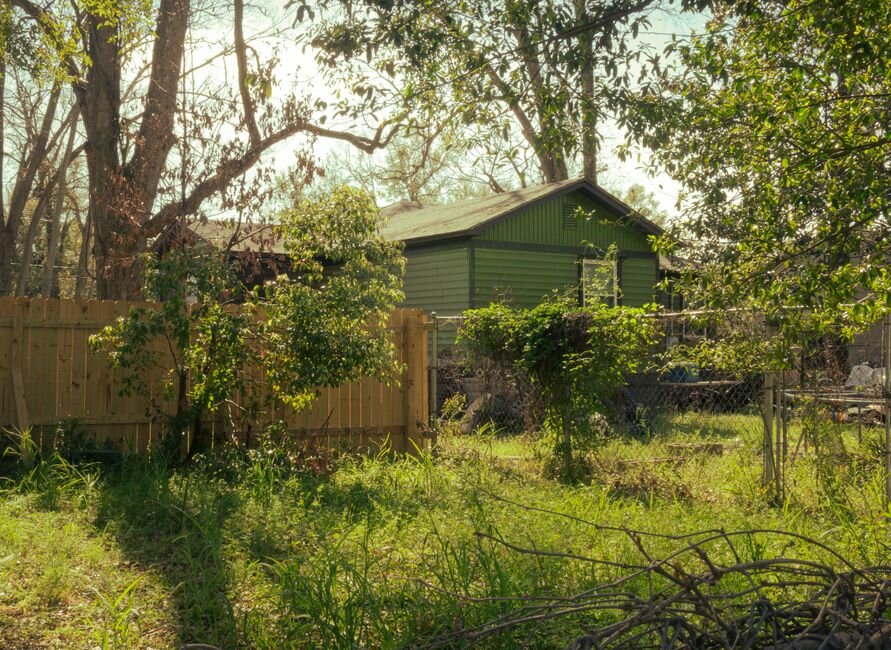
This comes up all the time out toward Middleburg. A home sitting on a relative’s acreage can absolutely be sold on its own title. The question is where the buyer puts it, because moving one of these isn’t cheap.
And check the parcel rules before you make promises. Clay County generally allows one dwelling per deeded parcel, so the plan where you sell the old singlewide to somebody who leaves it in place while a new house goes up beside it usually doesn’t survive a call to the planning department. The county also doesn’t allow an RV to be used as a primary or weekend residence, which I get asked about more than you’d expect. It’s all in the county’s planning FAQ, and it’s worth ten minutes.
What condition problems actually matter
Less than you’d expect on the cosmetic side, more than you’d expect underneath.
Soft spots in the floor usually mean water got in around a toilet or a tub years ago. A roof that’s been coated three times is normal and not a dealbreaker. Original aluminum branch wiring in the panel is common in certain build years and is the kind of thing an insurance carrier asks about before a buyer’s policy gets written.
The one worth checking yourself is the frame and the piers. Homes settle, piers shift, and a home that’s out of level shows up as doors that won’t latch and cracks running off the corners of the windows. It’s fixable and it’s cheaper to know about now than to have somebody discover during an inspection while you’re trying to close. Same story as any older house, really, which is covered in more depth in selling a place that needs real work.
Your two ways to sell it
You can put it on the market and wait for a retail buyer. On a newer home in good shape in a well-run park, that will show the higher price.
What to weigh against it: lot rent keeps running the entire time. Financing on manufactured homes is limited, so your buyer pool is thin before you start, and chattel loans on leased land come with higher rates and shorter terms. Pre-HUD homes are close to cash-only. And park approval can add weeks after you already have a signed contract, which is a hard conversation to have with somebody who thought they’d sold their home three weeks ago.
Or you sell it as it sits, take a lower number, and be done. No park approval waiting game on your end, no financing to fall through, no repairs. Soft floors, a roof that’s been coated three times, aluminum wiring in the panel, all normal and all priced in rather than treated as reasons to walk.
The older the home, the more work it needs, and the less control you have over the land under it, the more the second path makes sense. On a clean newer home in a good park with time to spare, the first is worth pricing out properly.
What I’d do next
Pull the titles. Confirm the assessment status. Call the park. Then get a real number so you’re comparing something concrete instead of guessing.
We Buy Houses Orange Park buys mobile and manufactured homes in whatever condition, titles and all, and we’re comfortable with exactly the parts that make conventional buyers walk away. If you want to know what yours is worth as it stands, We Buy Houses Orange Park will tell you and explain how we got there. If your home is out toward the west side of the county, here’s how things run out that way. And for duplicate titles or lien releases, the state handles all of it here.
Josiah Murdaugh grew up in Orange Park and spent 11 years as a licensed real estate agent before he started buying houses directly. He has bought more than a hundred since. About We Buy Houses Orange Park.