
I was cutting the grass at a house we’d just bought and the yard next door had gotten away from somebody. Waist high. The kind where you’re not sure what’s in it. It was pulling down the whole street, so when I finished ours I kept going and did theirs.
Somebody called the police on me.
The officer was fine once he understood. But that yard is why people go looking for cash home buyers in Orange Park, and it’s usually not because the house is a wreck. It’s because they’re tired.
On a street where the houses have been standing thirty and forty years, everybody notices everything. That works for you or against you depending on what your place looks like from the road.
Lakeside is a specific age, and age has a pattern
Most of Lakeside went up between 1970 and 1999, with newer infill after 2000. For context, the incorporated town’s median build year is 1974, so this is housing of roughly that era, spread across a few waves.
Houses of that vintage carry a predictable set of things. Cast iron drain lines that have been rusting from the inside since before some of these owners were born. Galvanized supply lines you can’t get much water through anymore. Electrical panels from brands insurance carriers won’t write on. And somewhere in a stretch of the eighties and early nineties, a run of polybutylene supply line that plumbers can identify from across the room.
None of that is a disaster. It’s just what a house does after somebody lives in it for three decades and solves problems the affordable way.
The additions are the thing that stops sales
Enclosed carports. Florida rooms. A fourth bedroom that used to be the garage.
All extremely common out here, and a real share of them were done without a permit. That matters because the county record still shows three bedrooms while your listing says four, and an appraiser working somebody’s loan file will compare the two. When they don’t match, the appraisal comes in short and the deal starts sliding.
Same with an open permit. Somebody pulled one for a re-roof in 2011, the work got done, nobody called for the final inspection, and it’s been attached to the property ever since. Lakeside is outside the incorporated town, so those records live with Clay County, not the Town of Orange Park. Sellers call the wrong office, get told there’s nothing on file, and think they’re clear until a title search says otherwise.
Who actually owns these houses now
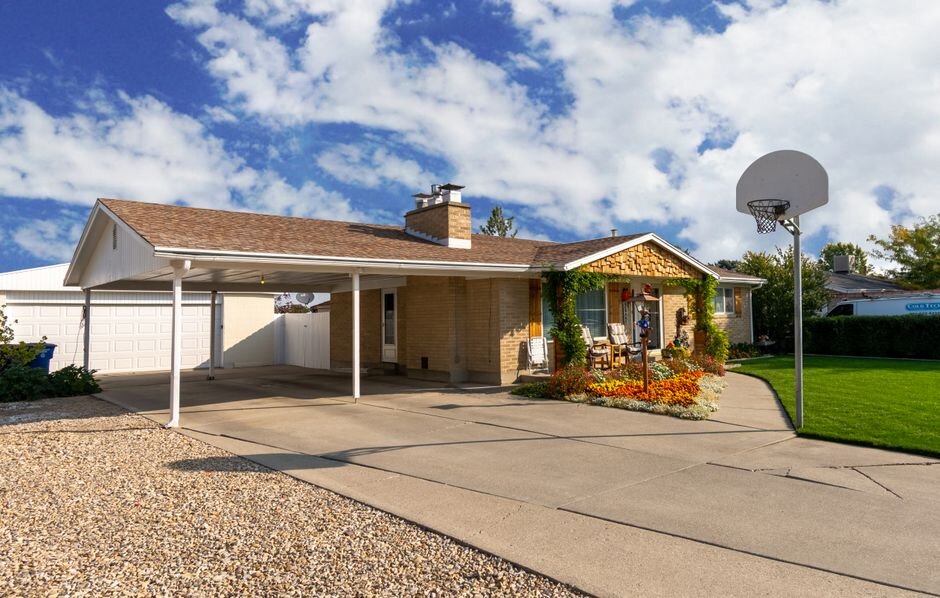
A lot of them aren’t owner-occupied anymore. Parents passed them down. A rental that made sense in 2009 stopped making sense around the third tenant turnover.
That’s true across this whole area, and the numbers back it up. Clay County overall runs about 75.9% owner-occupied. Inside the Orange Park town limits it’s 55.6%. That gap is rentals and older housing, and it’s why so many of the calls I get out here start with “I’ve had it as a rental for years and I’m done.”
If that’s you, selling a tenant-occupied or tired rental has its own wrinkles worth knowing about before you do anything.
What Lakeside has going for it
It’s easy to write about older housing as a list of defects, so here’s the other side, because it shows up in the price.
The lots out here are bigger than what got platted after 2000. The trees are actual trees. And most of this area predates the community development district model entirely, which matters more than people realize. A buyer looking at Oakleaf is looking at a property owners’ association plus one of two separate CDDs, Double Branch or Middle Village, each with its own board and its own assessments riding on the parcel. A buyer looking at a Lakeside house on a bigger lot with no district bond attached is looking at a different monthly number for the same mortgage.
Plenty of buyers will take a 1979 floor plan to avoid that. Don’t price your house like its age is nothing but a liability, and don’t let anybody else do it either. If you’re weighing this against something newer, Oakleaf works differently enough to be worth a look.
The yard tells on you before the house does
Here’s the part sellers underestimate. A house can be structurally sound and still look abandoned from the street if nobody’s touched the hedges since spring.
In a neighborhood this established, that costs you more than the water heater ever will. Buyers form an opinion in the eight seconds between the car door and the front step, and a yard that’s crossed from shaggy into feral sets the price before anybody sees the kitchen. If you do one thing before you sell, and you’re only doing one, it’s the yard.
What I actually know about out here
I grew up in Montclair, right next to the elementary school. I know which corners hold water when it rains hard and which ones drain fine, and I know that being close to Blanding means one thing if you can turn left out of your driveway and something completely different if you can’t.
That’s the part somebody pricing your house off a spreadsheet in another state doesn’t have. When We Buy Houses Orange Park puts a number on a place out here, it’s priced off the street, not the ZIP code.
Your two ways out, honestly
You can put it on the market. On a well-kept Lakeside house that usually shows the higher price, and this is a neighborhood buyers want.
What comes off that price: commission on both sides, and repair credits after the inspection, which on a house this age are rarely small because there’s always something. Add a couple of months of payments while it sits, and the chance a buyer’s loan falls apart over the roof or the panel and you start over. On an older house with a real condition problem, that cycle can happen twice.
Or you sell it as it stands and skip all of that. The price is lower. Nothing comes off it afterward, though, and the unpermitted addition and the open permit get priced in on day one instead of turning into leverage on day 25. You also stop being the person whose Saturdays belong to strangers.
Which one makes sense depends on how much work the house needs and how much time you’ve got. The more of both, the more the second one wins. If you want to see where you’d land, We Buy Houses Orange Park will look at it and give you a number with the reasoning, and you can hold it against whatever else you’re considering. Before you price anything, it’s worth pulling your own property record from the Clay County Property Appraiser, since that square footage is what an appraiser will be comparing against, and confirming your jurisdiction on the town limits map.
Josiah Murdaugh grew up in Orange Park and spent 11 years as a licensed real estate agent before he started buying houses directly. He has bought more than a hundred since. About We Buy Houses Orange Park.