
Of everything that surfaces during a title search around here, code enforcement liens cause the most damage per dollar. Not because they’re large, though they can be. Because of what people believe about them.
If you’re trying to sell a property with liens in Orange Park, here’s what’s actually true.
“It was the previous owner’s violation, so it’s their problem”
No. A code enforcement lien attaches to the property, not to the person who caused it.
This is the single most expensive misunderstanding in this whole category. Somebody let a lot get overgrown, or boarded up a vacant house, or did work without a permit, and daily fines started running. They sold, or they died, or the bank took it back. The fines stayed with the parcel.
You own the property now, so you own the lien. That’s harsh and it’s how it works.
“It’s a fixed amount”
Often not. Many code enforcement fines accrue daily until the violation is corrected and the correction is verified.
That word “verified” matters. Fixing the problem doesn’t stop the clock by itself. Somebody has to inspect and confirm compliance, and until that happens the meter can keep running even though the grass has been cut and the permit has been pulled. People discover this after assuming the number they were told in March is still the number in July.
“I’d know if I had one”
You’d be surprised. Notices go to the address of record, which on an inherited or vacant property is frequently a mailbox nobody has emptied in two years.
And there’s the jurisdiction problem on top of it. Inside the Town of Orange Park limits, code compliance runs through the town. In Bellair, Lakeside, Oakleaf, and most of the surrounding area, it’s Clay County. Owners call one, get told there’s nothing on file, and believe it. There’s more on sorting that out in what to check before you sell a house that needs work.
“It’ll just come off at closing like a mortgage”
Sometimes. Sometimes it’s larger than the equity, and then the sale doesn’t happen at all without somebody negotiating it down.
Many jurisdictions will consider reducing an accrued fine once the violation is corrected, particularly for a new owner who didn’t cause it. That’s a process with a hearing and a timeline, not a phone call. It’s worth doing and it is not fast.
“A lien is a lien”
They aren’t all the same and it’s worth knowing which one you’ve got, because they behave differently at closing.
A code enforcement lien comes from a government and often keeps accruing. A mechanic’s lien comes from a contractor who didn’t get paid for completed work. A judgment lien comes from an old lawsuit and attaches to property the debtor owns. An HOA lien comes from unpaid dues plus whatever fees grew on top of them. A tax lien is its own category entirely and takes priority over most of the others.
What they share is that a financed buyer’s lender needs clear title, so every one of them has to be resolved, subordinated, or paid at closing. What differs is who you negotiate with and how much room there is. A contractor owed $4,000 may settle. A daily-accruing code fine usually requires a hearing. Knowing which conversation you’re in changes how early you need to start it, and Clay County is the place to begin for anything outside town limits.
Where these actually come from
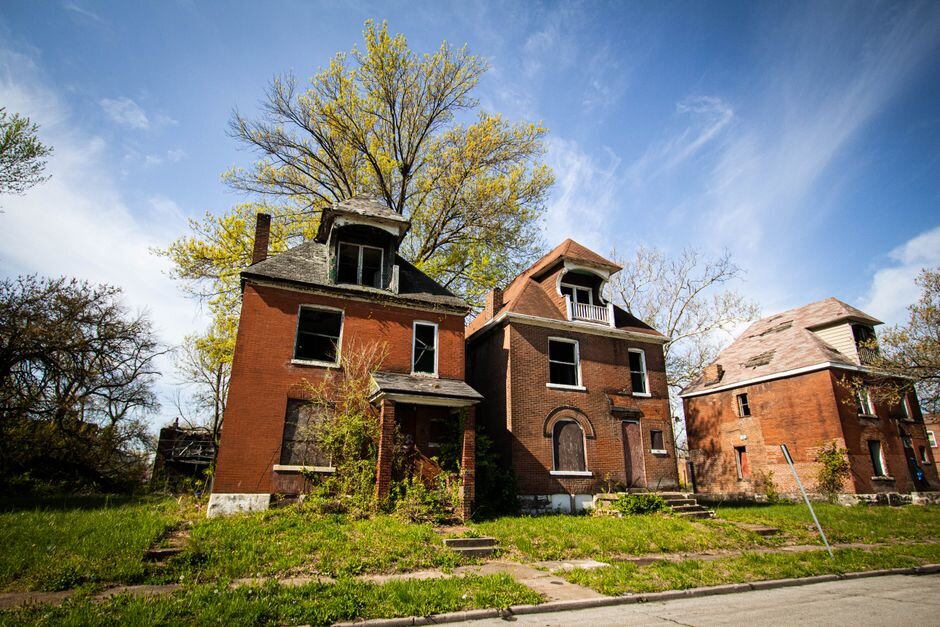
Almost always a property nobody was watching. Vacant houses in probate while the family sorts out who has authority. Rentals with an out-of-state owner and a tenant who stopped mowing. Lots where somebody started a project and walked away from it.
I bought a place once where previous tenants had started a fire that got into the brush and spread far enough that the neighborhood had to be evacuated. What sticks with me isn’t the fire. It’s how fast a property that nobody is actively looking after turns into everybody’s problem, and how many separate government files that generates.
That’s the pattern. It isn’t usually one dramatic thing. It’s six months of nobody checking the mail.
What to do this week if you suspect one
Call the right office and ask directly whether there are any open code cases or recorded liens on your parcel. Town if you’re inside the limits, county if you’re not. Then pull your property record from the Clay County Property Appraiser and check what’s recorded against it.
If something’s there, ask three questions: what’s the current balance, is it still accruing, and what specifically has to happen for it to stop. Write the answers down with the date and the name of who told you, because that balance changes.
How it plays out when you sell
A lien that’s small and settled is a line on the settlement statement and nobody thinks about it again. If that’s your situation, you’ve got normal options and should price them both out. The traditional route shows the higher number on the sign, minus commission on both sides, minus what the inspection produces, minus the payments while it sits.
Where it gets hard is an accruing lien on a property that also has the condition problem that caused it. A financed buyer’s lender needs clear title, and clear title means the lien is resolved before closing. So now you’re correcting a violation, waiting on verification, possibly requesting a reduction hearing, and holding a house through all of it, while a buyer with a rate lock watches the calendar. That’s how deals die twice.
We Buy Houses Orange Park buys properties with open code cases and accrued liens fairly often. We deal with the town or the county directly, and the lien is a number in the price rather than a reason for an underwriter to say no. It won’t be the highest offer you could theoretically get on a clean version of the same house. It will be an offer that survives contact with the title search, which is worth more than it sounds when the alternative is watching two contracts collapse.
If the property is sitting empty while an estate works itself out, that’s the most common version of this and it’s covered here. Either way, make the call to the code office before you list anything. The number only goes one direction while you wait.
Josiah Murdaugh grew up in Orange Park and spent 11 years as a licensed real estate agent before he started buying houses directly. He has bought more than a hundred since. About We Buy Houses Orange Park.