
Downsizing is mostly not a real estate problem. It’s a stuff problem, a timing problem, and a family problem, and the house sale is the part that gets figured out last even though it’s what everybody talks about first.
If you’re thinking about selling a house you’ve owned for decades in Orange Park, here’s the whole thing in the order it actually happens.
Start with where you’re going, not what you’re leaving
People do this backwards and it costs them.
Figure out the destination first: a smaller house, a condo, an active adult community, closer to a daughter in another state, or somewhere with care available if you need it later. Each of those has a different price, a different timeline, and a different set of questions. Until you know which one, you can’t tell whether the house sale needs to happen fast or whether you have a year.
Clay County’s median age is around 40.5, so this isn’t a retirement county in the way parts of Florida are, and the options here look different than they do further south. That’s worth factoring in rather than assuming.
The house you own is probably older than you think
The median build year inside the town is 1974. If you bought in the seventies or eighties and you’re the original owner, you know that house better than any inspector will. You also stopped seeing some things a long time ago.
The list that matters to a buyer: roof age and whether it’s still insurable, the electrical panel and its brand, cast iron drain lines, original single-pane windows, and whether the AC is on its second or third unit. None of that means the house is in bad shape. It means a buyer’s inspector will produce a long report, and a long report becomes a repair credit conversation.
Worth knowing before somebody hands you a list and you feel bad about a house you’ve kept up perfectly well for forty years.
The stuff is the hard part and everybody underestimates it
Forty years in one house produces a volume of belongings that does not fit in a smaller one, and the sorting is emotional work on top of physical work.
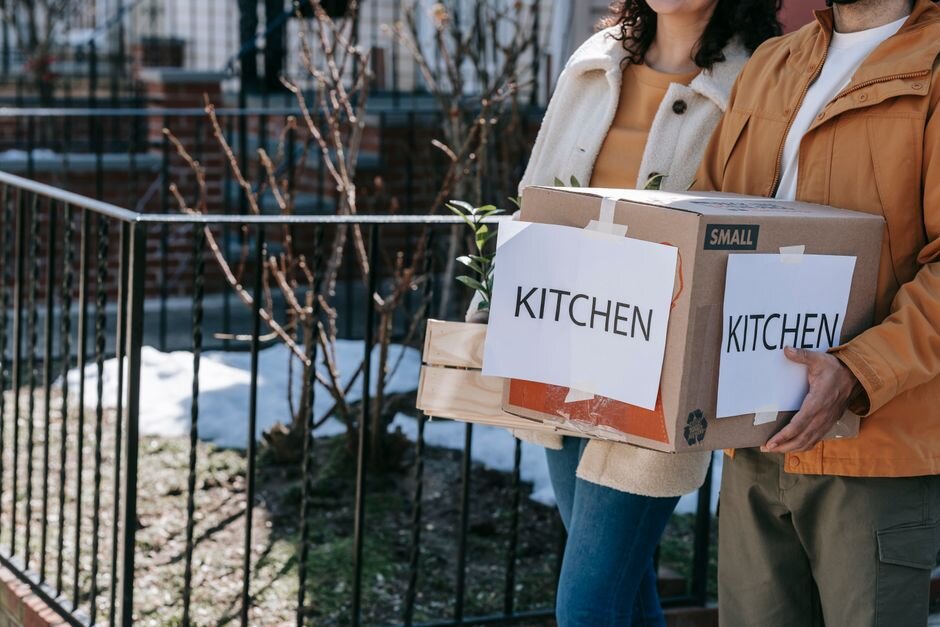
A few things that genuinely help. Start with one room and finish it before starting another, because half-done rooms everywhere is how people give up. Do the garage early rather than last, since it’s usually the biggest and the least sentimental. And give family members an actual deadline to claim what they want, because “someday” turns into you paying to store a dining set nobody has come for.
The garage is where I’d start. I like cars, I go to shows when I can, and I’ve seen enough garages to know that’s where forty years of “I’ll deal with it later” ends up. It’s also the room that’s easiest to be ruthless in.
And here’s the thing nobody tells you: you do not have to empty it. Not for us, and not necessarily for anyone. Selling as-is means as-is, including the contents. That option exists and a lot of people spend three exhausting months not knowing it.
What your taxes are about to do
This catches long-time owners hard and it’s worth understanding before you shop.
If you’ve had homestead exemption for years, Florida’s Save Our Homes cap has been limiting how fast your assessed value could rise while market values climbed. Clay County’s preliminary taxable value came in around $20 billion for 2025, up nearly 8% in one year, so that gap is significant.
What it means practically: the tax bill you’ve been paying is not what a buyer will pay, and it’s not what you’ll pay on the next house either. If you’re staying in Florida, portability may let you carry part of that benefit to the new property, but it’s a specific filing with deadlines. Ask the Clay County Property Appraiser directly, and ask before you close on anything.
Florida also offers additional homestead exemptions for qualifying seniors depending on income and the taxing authority. Worth asking about specifically rather than assuming you already have everything you’re entitled to.
Insurance gets harder as the house gets older
This is the one that ends up deciding timing for a lot of long-time owners, and it sneaks up.
Carriers have gotten stricter about roof age. Under current Florida rules an insurer generally can’t refuse to write or renew on roof age alone when the roof is under 15 years old, and past 15 you have the right to an inspection certifying whether it has five or more years of life left. If it does, they can’t drop you on age alone.
What that means for a house you’ve owned since the eighties is straightforward. If the roof is old and hasn’t been inspected, you may get a non-renewal notice, and your buyer may not be able to get a binder. No binder means no loan, and a deal that dies at week five over insurance is a genuinely deflating experience when you’ve already picked out where you’re going.
Get the inspection before you list. It costs a few hundred dollars and it either takes the question off the table or tells you something you needed to know months earlier than you’d otherwise learn it.
Watch out for who’s calling
Older homeowners get targeted, and I’d rather say it plainly than be polite about it.
If somebody knocks on your door or calls with an offer, do two things before you engage. Look the company up on the Florida Division of Corporations to confirm it exists and how long it’s been active. Then search the county property records for that name and see what shows up in their history. A company that really buys houses leaves recorded purchases behind it. One that flips contracts to other people leaves almost nothing.
Ask straight out whether they’re buying it themselves or assigning the contract to somebody else. And never sign anything the same day it’s put in front of you. Anybody who pressures you to decide immediately has told you something important about themselves.
Have a family member or an attorney read whatever you’re asked to sign. That’s not distrust, it’s just sensible, and any legitimate buyer will encourage it.
Your options, honestly
House in good condition, no deadline, and you can handle showings? A traditional sale is worth pricing out. Just count what comes off the top: commission on both sides, whatever the inspection produces on a house of this age, and the payments and taxes while it sits. In April 2026 the typical Clay County seller took around 94.8% of asking, so the sign price isn’t the closing number.
Older house with a real repair list, a move already scheduled, or nobody available to manage forty years of belongings? That’s the situation where a direct sale earns its discount. No repairs, no cleanout, no strangers walking through on Saturdays, and a closing date you choose around when the new place is actually ready.
We Buy Houses Orange Park buys houses with the furniture still in them and closes on dates people pick, including dates set months out. There’s more on how the process runs, and if you’re moving out of state to be near family, that works remotely without you flying back for a closing.
Take your time with the decision. There’s no version of this where rushing you serves you.
Josiah Murdaugh grew up in Orange Park and spent 11 years as a licensed real estate agent before he started buying houses directly. He has bought more than a hundred since. About We Buy Houses Orange Park.